Sponsored by

5 essential features of sole trader accounting software
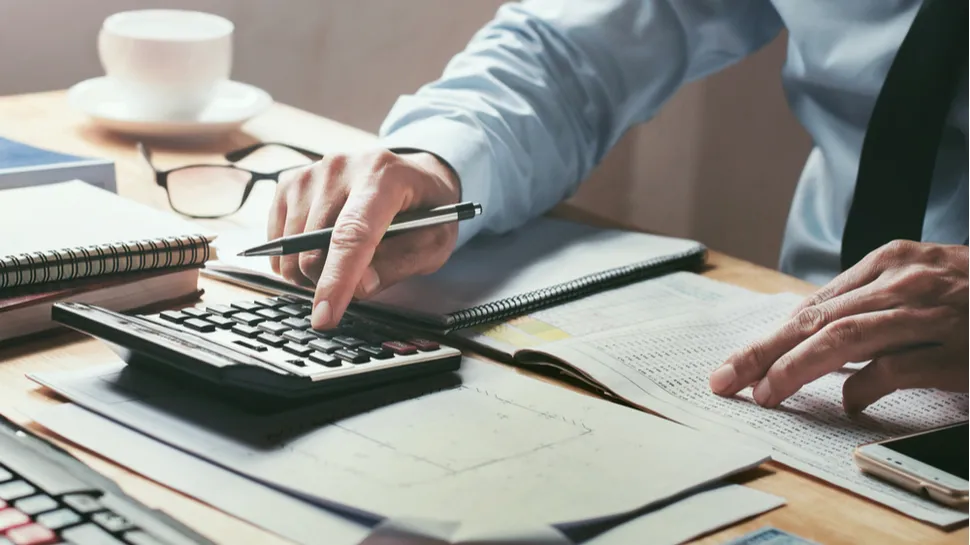
Sole trader accounting software is designed for the self-employed industry to offer an easy, clear-to-understand way of tracking all things finance-related.
Whether you're a freelancer, contractor, consultant or tradesperson, unless you're an accountant you probably don't have the right skills to manage your finances in their entirety. This is where accounting software designed just for you comes in, because it helps you generate a log of your income and expenditure in a way that's easy to understand for you and, should you wish, your accountant.
Common pain points include keeping on top of receipts, chasing unpaid invoices and spending too much time on admin instead of the work that generates your income. And that's before you begin trying to understand your tax obligations.
So, the best tools don't just help with compliance, they actively make running a one-person business simpler, more predictable and less stressful.
What is sole trader accounting software?
Sole trader accounting software is a tool that you can access on your computer, or sometimes your phone, that is usually connected to the internet for data backups and access anywhere. It serves as your primary location for recording income and expenses, managing invoices and preparing tax information.
Unlike more complex accounting systems used by larger companies and enterprises, sole trader accounting software focuses on simplicity. Think of it as a stripped-back version with all the essentials covered, but no unnecessary distractions or confusion.
Since the introduction of cloud-based systems, we're now seeing more mobile apps emerging, which truly puts sole trader accounting software in the palm of your hand. From receipt capture to glanceable dashboards, there's no excuse not to be at the top of your game.
MTD-ready tax compliance
The time has come, and we're just months away from the first sole trader MTD requirement. From April 2026, sole traders earning more than £50,000 will need to adhere to the principles, with the threshold falling to £30,000 from April 2027.
Most accounting software has already implemented MTD tools for bigger companies, but that's not to say all software is compliant. But don't think of it as extra work, rules are getting stricter because manual records usually increase the risk of errors or missed deadlines. All MTD compliance does is encourage you to keep updated records. With MTD-ready sole trader accounting software, there are no last-minute scrambles before the self-assessment deadline, because HMRC will already have an indication of your tax liability based on real company figures.
Simple invoicing and payment tracking
The clue is in the name, sole traders work alone, with the exception of some help from family or friends if they're lucky, so they're not experts in all aspects of business. And yet, many sole traders need to issue different types of invoices to customers on a daily or weekly basis.
A built-in tool that offers custom branding boosts customer trust, and automatic payment reminders can be set up to avoid late payments, saving you from wasting time chasing them. Payment tracking can feed real-time payment details straight into your bookkeeping software without you having to mark an invoice as paid, and bonus points go to software that offers integrated payment processing to make it even easier for clients to send funds.
Expense tracking with receipt capture
Many of us are taught to be smart with our money, but we don't always realise how much of what we spend can actually be captured as an allowable expense, potentially reducing the amount of tax we need to pay. The problem is that receipts can easily get lost in pockets, bags and inboxes. That's why one of our must-have features is an easy-to-use receipt capture tool to instantly back up your purchases, perfect for software with a complementary mobile app.
Because you get a set amount of storage with most SaaS solutions, it also means you can save receipts right next to your expenses so the proof exists exactly where you need it. If you've got any questions about allowable expenses for your accountant, it can see exactly what needs clarifying with all the context.
Integration with bank feeds
Another way to take some of the hassle out of tracking your finances is not to do it all manually. Ok, it's not quite as simple as that. But many sole trader accounting software options make it easy to integrate with your business bank to pull in deposits and expenditure, so all you need to do is categorise them. It's just one more way to make sure you don't have to type your figures in, reducing the risk of errors.
Some reconciliation tools take this one step further, matching incoming and outgoing payments to invoices or expenses, reducing the amount of admin you have to handle.
Commonly missed deductions
If it's not clear already, sole traders probably need the most support of any accounting software user. So when software developers make it easy to track every type of expense, it makes a real difference. One of the easiest to complicate is business mileage, which could be worth up to 45p/mile. Any automation to reduce the friction on this, such as mobile app tracking via GPS, will be a big hit.
But there are other deductions that are easily forgotten, such as working from home allowances, overnight business costs, tech and office equipment, certain clothing and insurance. Even if it's just a case of separating these categories as a reminder, it'll help in the long run.
How to choose the right sole trader accounting software
Sole trader accounting software is geared towards one specific type of user, and that's usually the single business owner who's spinning all the plates. The most important thing, then, is that it should be easy to use, whether that's a clear interface, stacks of automation or a comprehensive suite of finance tools beyond basic bookkeeping.
Consider your own business, such as invoicing frequency or expense types, to decide which features you need from sole trader accounting software.
Follow TechRadar on Google News and add us as a preferred source to get our expert news, reviews, and opinion in your feeds. Make sure to click the Follow button!
And of course you can also follow TechRadar on TikTok for news, reviews, unboxings in video form, and get regular updates from us on WhatsApp too.
