Sponsored by

5 mistakes everybody makes when it comes to bookkeeping software – and here's how to avoid them

Bookkeeping software is the backbone of any business, so whether you're a sole trader or one of Britain's 5.7 million SMBs, you'll want to make sure you're investing wisely and picking bookkeeping software that does everything you need it.
Though some free options exist, most are either paid or come with paid options, and it's these paid bookkeeping tools that offer the best value, often combining multiple financial tools like invoicing and HMRC reporting under one roof.
Relying on spreadsheets
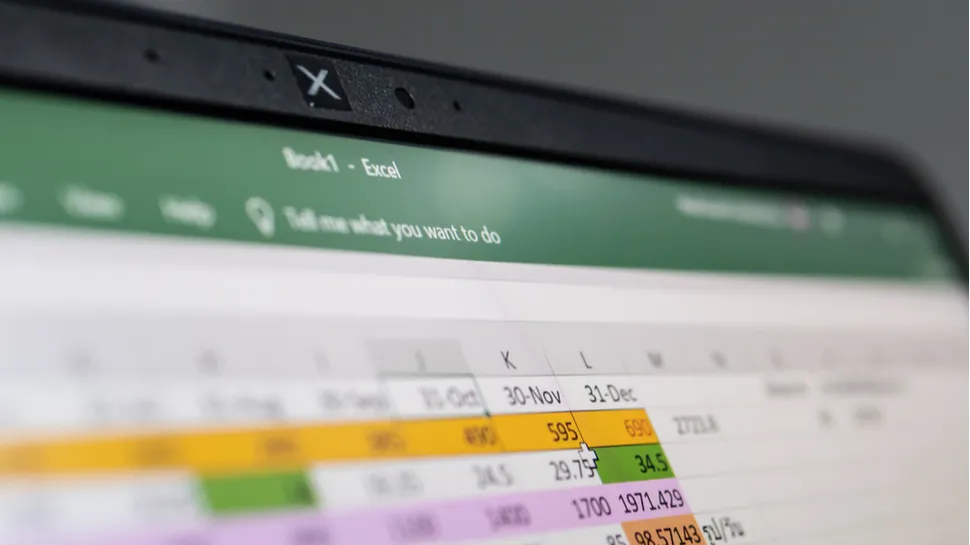
We've already introduced this mistake above – many business owners still rely on tools like Excel or Google Sheets to keep records, but they're far from sufficient in today's digital climate.
Some of the issues companies and sole traders might face include the lack of audit trails (making it hard to identify mistakes) and the high error risk involved with manual entry.
Dedicated software also offers productivity-boosting automation and other tools, whereas generic spreadsheet software lacks accounting-specific functionalities.
The easiest way to avoid this? Step away from generic spreadsheet software and seek out dedicated bookkeeping software that ticks all the boxes.
To go one step further, find software with automatic bank feed integration so you don't have to manually enter so much detail, reducing the chances of error.
Not reconciling transactions regularly
As a business owner, maintaining visibility across all the money that goes in and out of your account is key, and this means making sure that your bookkeeping software is updated when invoices are paid and when you pay for products or services.
The best way to do this is to pencil in some time every month or so to go over previous transactions, ensuring they're categorised correctly and that you have evidence (like receipts).
One way to do this is to find bookkeeping software that keeps transactions separated in a draft folder until you're ready to approve them. That way, you know that once something's approved, it's dealt with for good.
Forgetting to categorise transactions
On a similar note, many business owners fail to recognise the importance of categorising transactions – it's far more than just giving you visibility into spending habits. Most bookkeeping software will use HMRC-approved categories, which means you'll be able to identify whether something is an allowable expense or not.
Failure to do this will result in inaccurate reports – if you go on to use these to fill out tax submissions like your self-assessment, it could mean that you overpay or underpay in tax, creating another headache that you don't need.
Solving this requires a two-pronged approach. Manual involvement is part of the solution – set aside time to make sure that transactions are logged as they should be.
But you can boost efficiency by handing off some tasks to your software, such as AI- or OCR-powered receipt scanning that logs a transaction's details against the right fields.
Choosing tools with poor reporting

Data is highly insightful, and financial data can provide some of the most meaningful impact across any business, but many business owners overlook the importance of reporting tools and choose software that includes basic summaries only.
This restricts them from gaining visibility over their profit or cashflow. One of the most helpful reports any business could have is tax – having the system tell you exactly how much you should set aside every month prepares you for your tax bill and prevents any nasty year-end surprises.
Dashboards and reports might not be the most glamorous feature of bookkeeping software, but they're among the most important, so set aside time to ensure that profit and loss, cashflow, revenue projection, and tax reports are all there.
Not using the cloud storage functionalities
Many businesses, especially those that have been running for years, still keep paper records. Bills, invoices, receipts – they all collect dust and waste space in your office. They're also liable to getting lost, and should the worst happen, you'll wish you'd stored a backup.
This can be extremely risky in terms of HMRC compliance, because you could be asked for proof of earnings and income from years ago.
Thankfully, most bookkeeping software these days is cloud-based and comes with secure file storage. Read the fine print to see what the storage cap is and how much it costs to upgrade this if needed.
It might be more expensive than keeping paper copies (because that's free), but it puts all the data you could ever need at your fingertips and will be secure for years to come.
Summary
Proper bookkeeping is an important discipline to learn – taking time out of your day to stay up to date might seem like a big ask at first, but you're guaranteed to save time compared with leaving everything until the last minute.
Bookkeeping software serves many purposes, but we think the most important are time saving and the associated reduction in stress, as well as maximum HMRC compliance.
Avoid some of the mistakes above but hone in on dedicated bookkeeping software, not just generic spreadsheet tools, to ensure you have access to more advanced features like reporting, storage, and HMRC-matched categorisation from the box.
